More Than Just a Toy
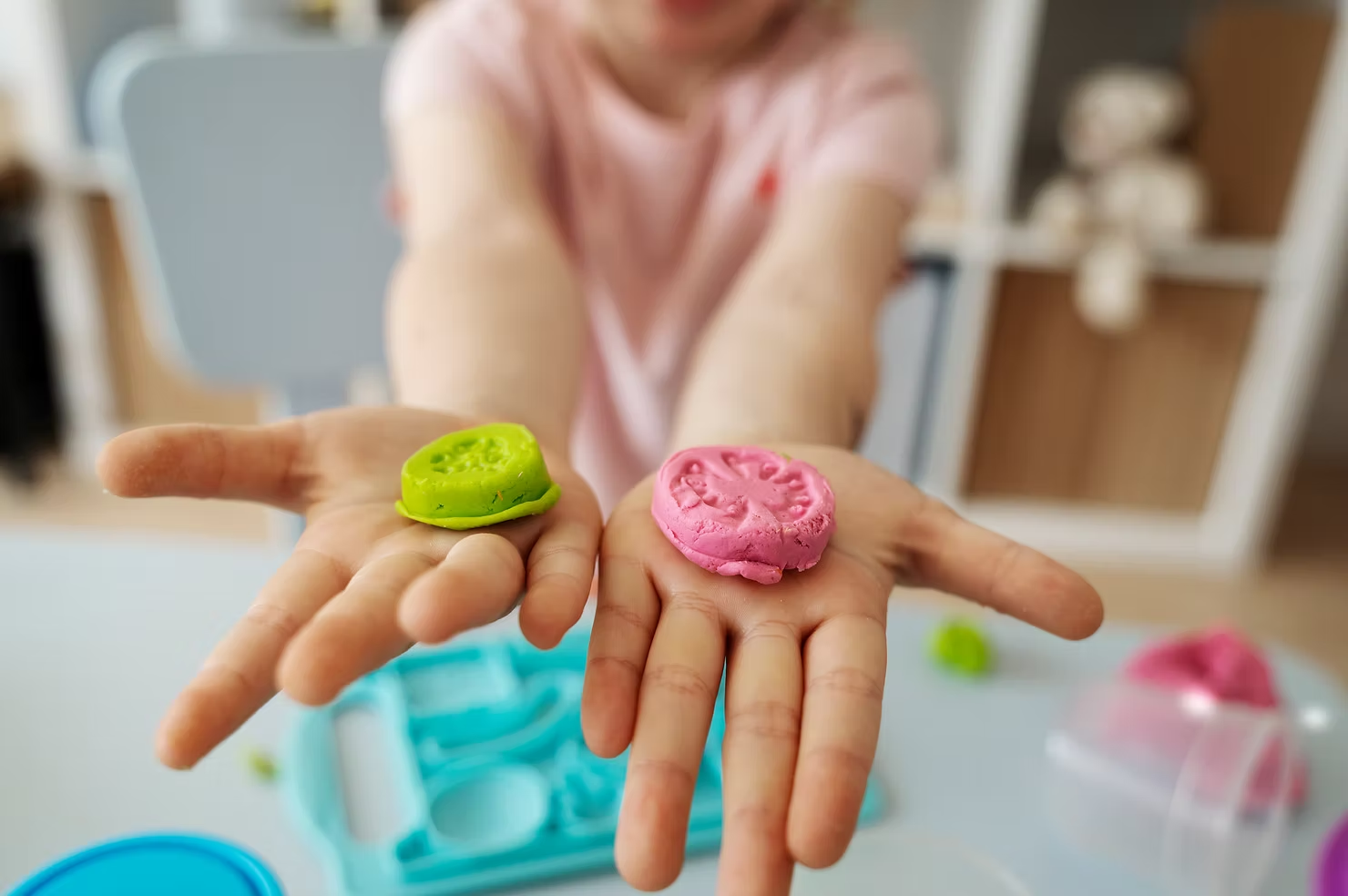
Playdough is much more than a fun activity for children. In child and adolescent psychotherapy, it is a valuable therapeutic tool that helps children express emotions, reduce stress and develop a greater sense of confidence and control.
Not every child is able to talk about difficult feelings such as anger, fear, sadness or shame. For many children, squeezing, stretching and shaping playdough becomes a safe, non-verbal way of communicating emotions and releasing built-up tension.
Therapeutic Benefits of Playdough
1. Emotional Regulation
Manipulating playdough provides natural sensory feedback that helps children calm their nervous system, regulate emotions and regain a sense of control.
2. Sensory Integration
Playdough stimulates several senses, including touch, sight and even smell. For children with sensory sensitivities, it offers gentle sensory experiences within a safe and supportive environment.
3. Fine Motor Development
Rolling, squeezing, pinching and shaping playdough strengthens the small muscles in the hands and fingers, supporting handwriting skills, coordination and everyday independence.
4. Emotional Expression
Children can give their emotions a physical form.
They might:
- create their anger,
- squash their sadness,
- build something that represents how they feel.
For children who struggle to find words, this can be an incredibly powerful way to communicate.
5. Building Confidence and a Sense of Control
Playdough responds to every movement. Children can shape it, change it, flatten it and start again as many times as they like.
This experience of having control is especially valuable for children who often feel overwhelmed or powerless in other areas of life.
6. Strengthening the Therapeutic Relationship
Creating together naturally encourages conversation.
Talking about colours, shapes or imaginative creations often helps children feel more relaxed and willing to open up emotionally.
Ways to Use Playdough in Therapy
“Create Your Emotion”
Invite your child to make something that represents how they are feeling today.
“Squash Your Anger”
Playdough becomes a safe place where strong emotions can be released physically rather than directed towards themselves or others.
“Create a Hero”
Ask your child to build a character who knows how to solve difficult problems or overcome fears.
This activity encourages resilience, confidence and hope.
“Colours of Feelings”
Choose a colour that best matches today’s mood.
This simple activity can become a gentle emotional check-in at the beginning of each therapy session.
“A Safe Place”
Invite your child to create somewhere they feel safe—a house, a garden, a cloud or anywhere their imagination takes them.
This can be particularly helpful when working with anxiety and emotional regulation.
Homemade Playdough Recipe
Ingredients
- 1 cup of water
- 1 cup of plain flour
- ½ cup of salt
- 1 tablespoon of vegetable oil or olive oil
- 2 teaspoons of cream of tartar
- Food colouring
Method
- Mix together the flour, salt and cream of tartar in a large bowl.
- In a separate jug, combine the water, oil and food colouring.
- Heat the liquid gently in a saucepan over a low heat.
- Slowly add the dry ingredients while stirring continuously.
- Continue stirring until the mixture thickens and forms a smooth ball that pulls away from the sides of the pan.
- Leave it to cool before kneading until it becomes soft, smooth and stretchy.
Store your playdough in an airtight container or sealed bag, where it should stay fresh for several weeks.
WHY IS PLAYDOUGH SO POWERFUL?
Playdough is much more than a creative activity—it is a language of emotions expressed through touch.
A child who cannot yet say “I’m scared” or “I’m angry” can often communicate those feelings through shaping, squeezing and creating.
When a parent or therapist notices and gently explores that expression, the child feels understood, accepted and emotionally safe.
Sometimes the simplest activities become the most meaningful opportunities for healing, connection and emotional growth.
I’m here to help you.
Take the first step towards a calmer, happier life for your child.